
Insights from the Toner Quality & Defects
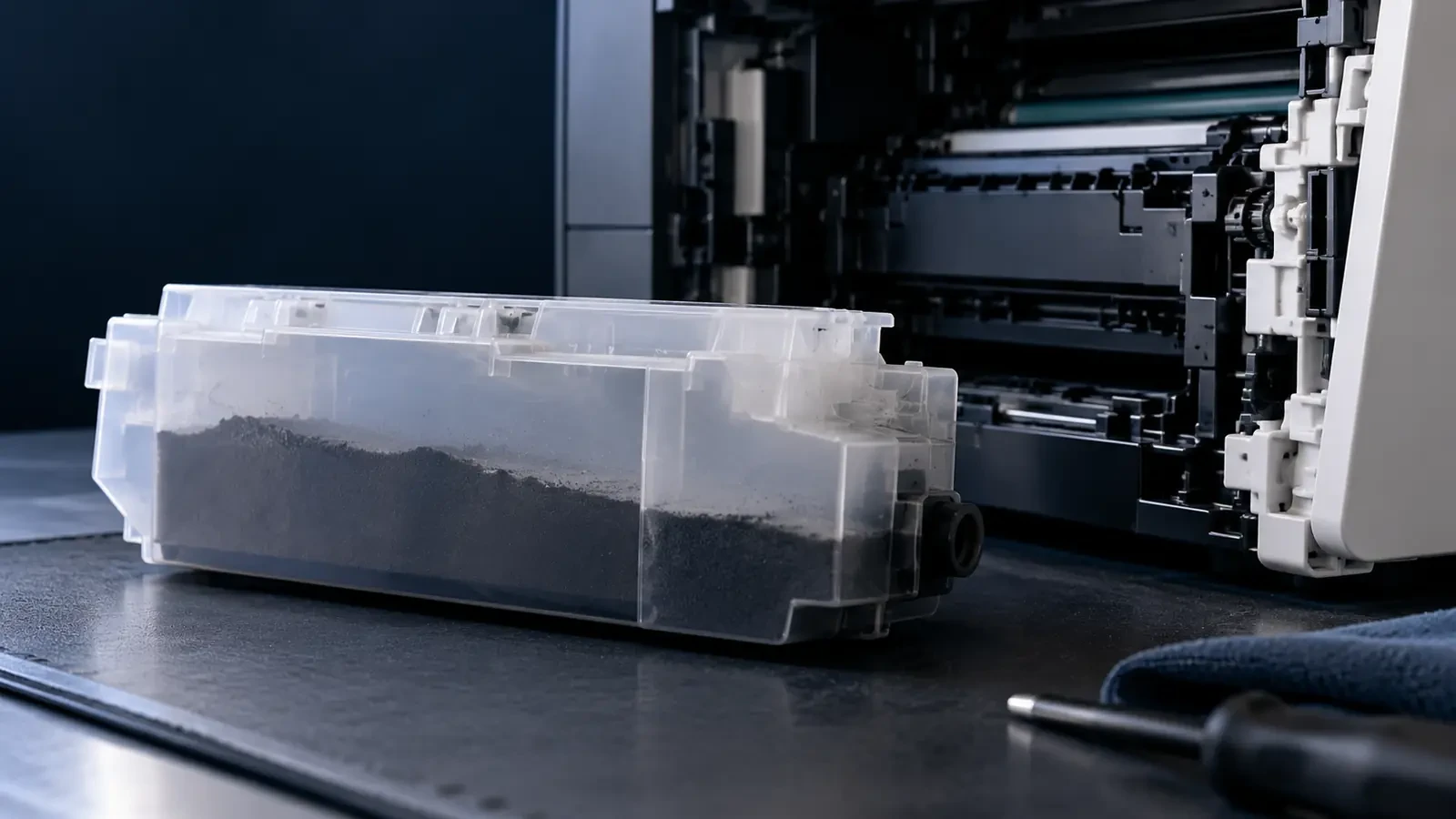
Waste Toner Box: What It Does, When It’s Full and How to Replace
A waste toner box collects the toner that does not end up on the paper.

What Is a Printer Drum and When Should You Replace It?
The printer drum is the light-sensitive cylinder at the heart of every laser printer. It forms the image in toner before that toner reaches the paper. This guide explains what the drum does, how to tell when it is worn, and how to clean or replace it.

Laser Printer Printing Dirty Pages? Causes and Fixes
Dirty pages from a laser printer almost always come from one of five places: a leaking cartridge, a contaminated drum or charge roller, weak toner charge, a fuser that no longer fixes toner, or a dirty paper path.
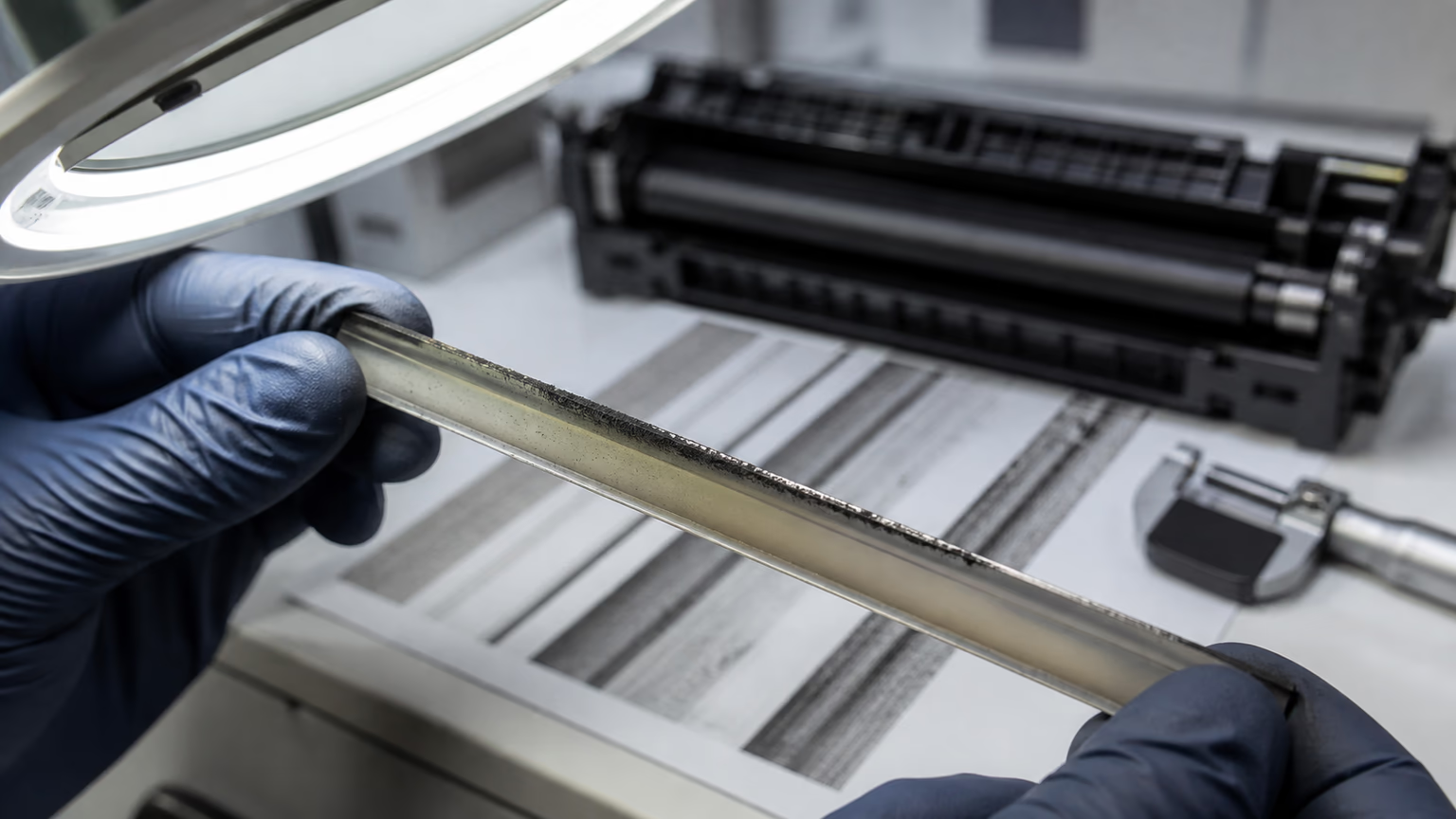
Doctor Blade Wear and Toner Leakage: The Hidden Reliability Metric for B2B Toner Buyers
For B2B distributors and printer service providers, doctor blade wear is a hidden cause of toner leakage that drives returns and field failures. This guide explains the design factors, evaluation methods, and supplier checks that.
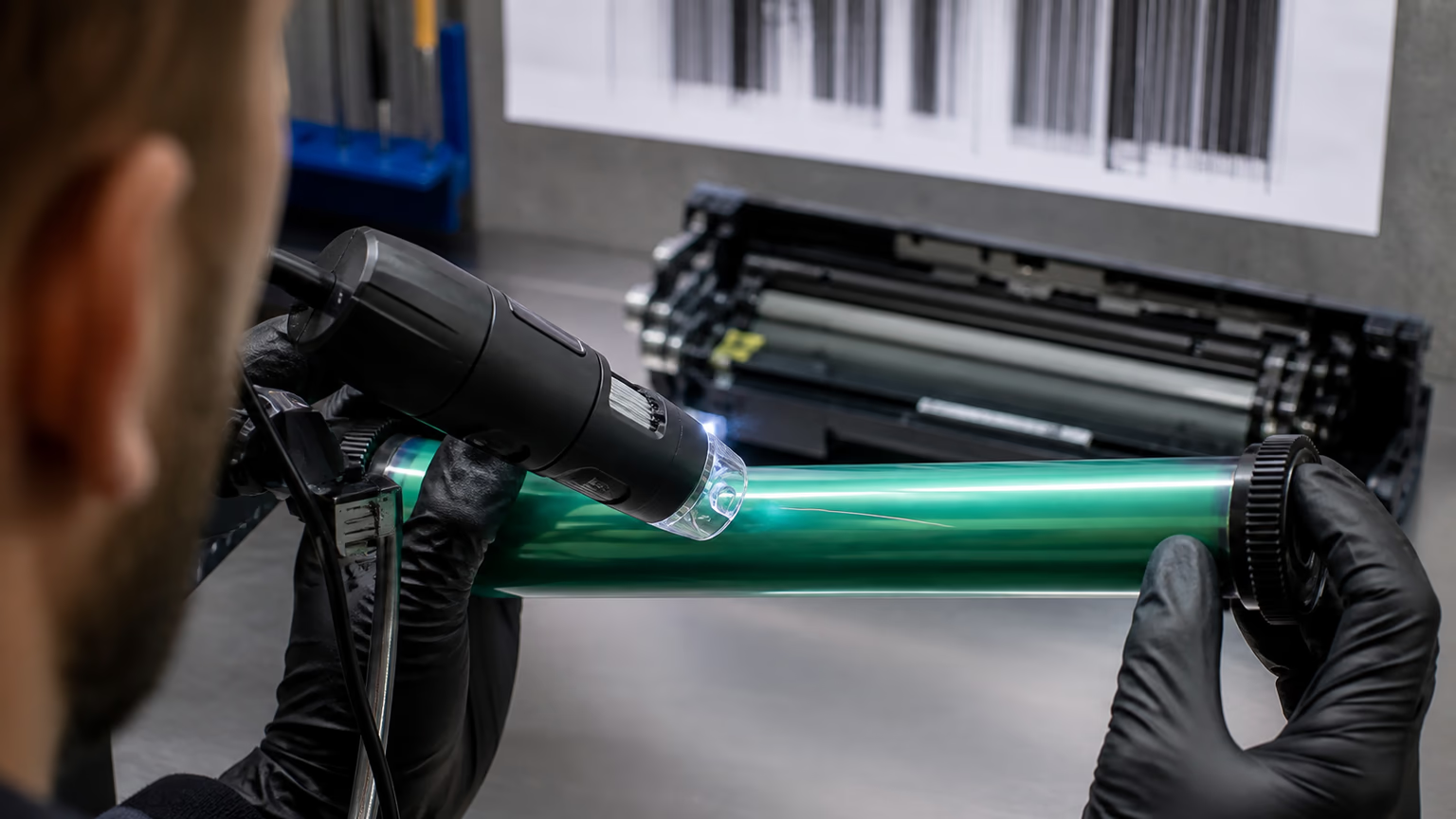
OPC Drum Damage After Toner Replacement: A Field Diagnostic Framework for B2B Distributors
A practical field guide for printer service companies and toner distributors. It explains how incompatible replacement toner damages OPC drums and gives diagnostic, procurement, and handling steps to cut repeat failures.
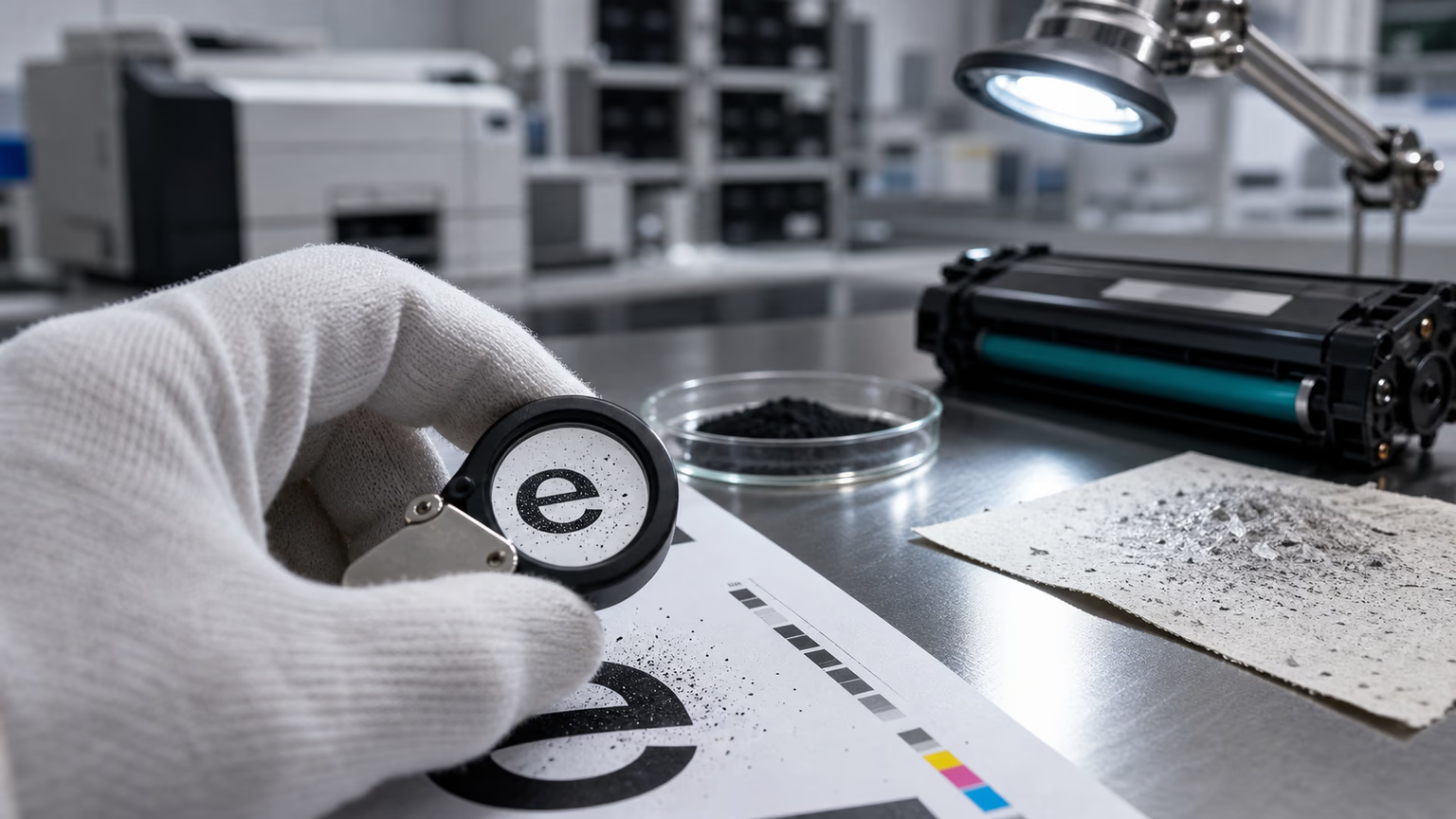
Toner Scatter Around Text: How Particle Size, Charge, and Paper Dust Decide Batch Quality
A practical guide for distributors and service providers to detect and prevent toner scatter around text by evaluating particle size, charge control, and paper dust before bulk purchases.
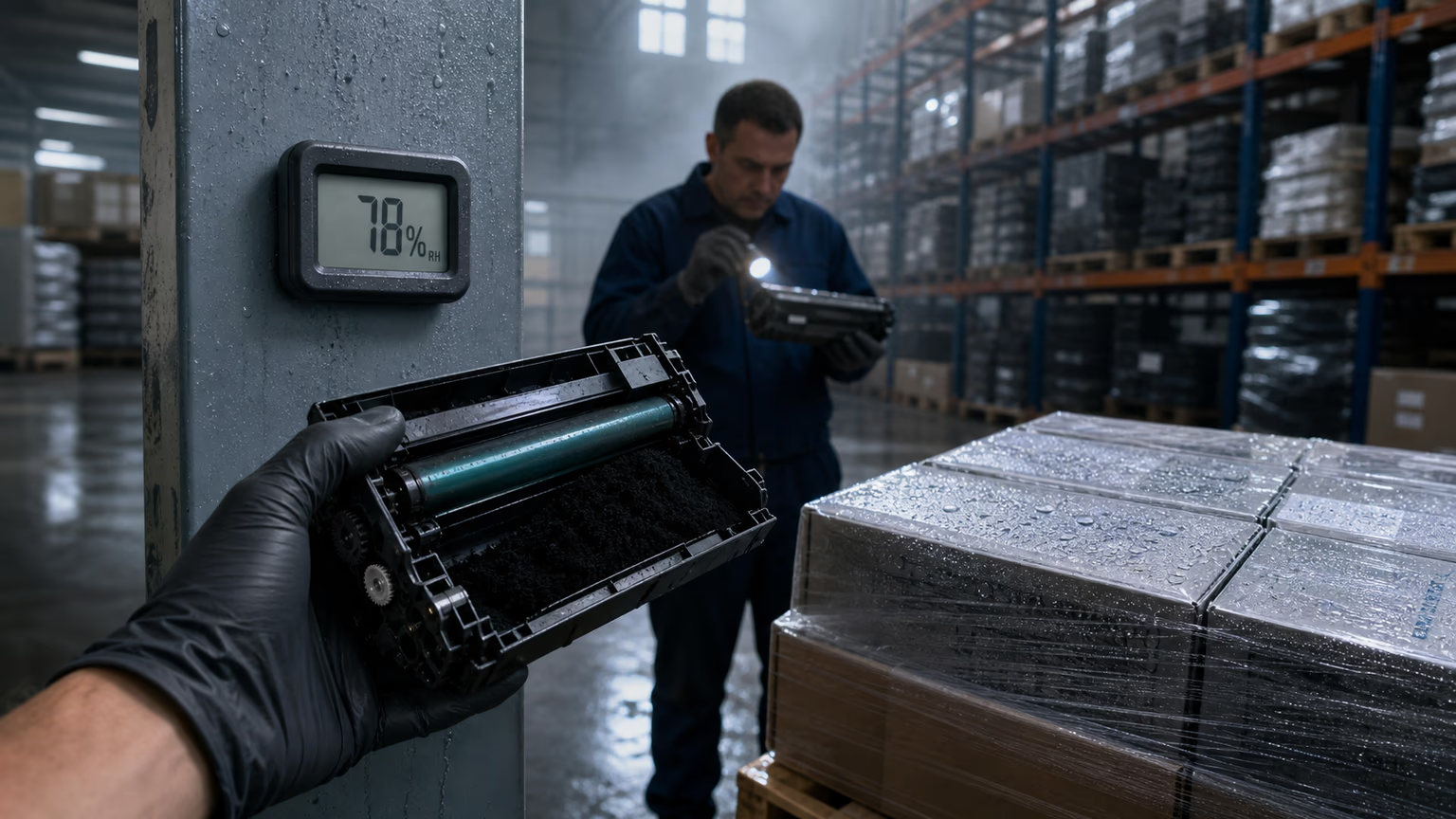
The Hidden Cost of Humid Warehouses: How Storage Conditions Cause Background Fog in Toner
Background fog traces back to humid warehouse storage, not toner defects. Moisture compromises toner charge and flow, producing gray prints and returns. Auditing humidity controls and packaging protects supply chains.

Gloss Difference Between OEM and Compatible Toner: A B2B Guide to Print Finish Quality
For B2B buyers, gloss difference is more than a cosmetic issue. It signals toner formulation quality, fusing reliability, and potential service escalations. This guide explains how to measure, compare, and manage gloss consistency.
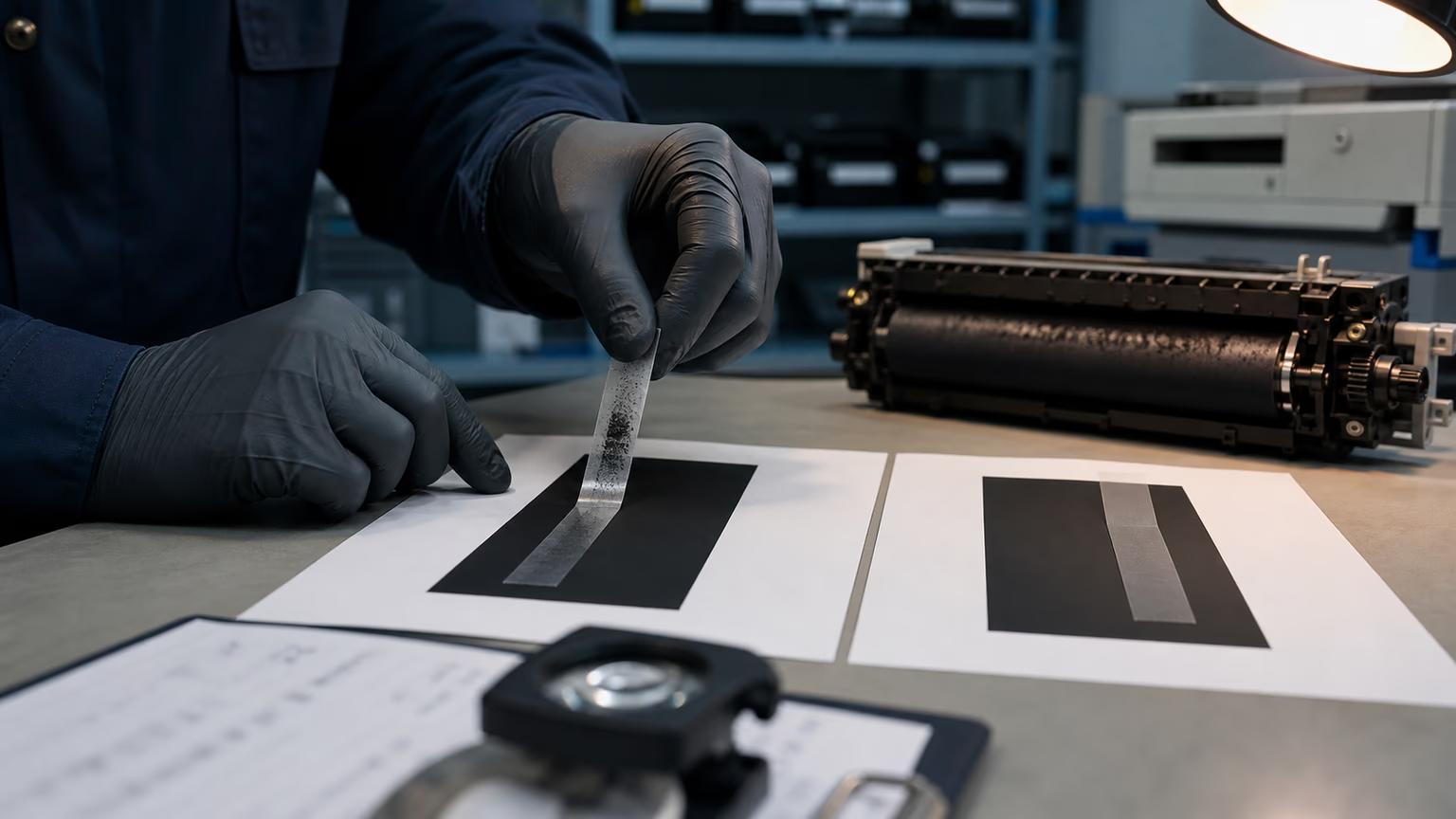
Low-Temperature Fusing Toner: Where the Savings End and the Problems Begin
Low-temperature fusing toner offers energy savings and media flexibility, but hidden risks like poor adhesion and fuser wear can erase the gains. Learn how to qualify before fleet deployment.
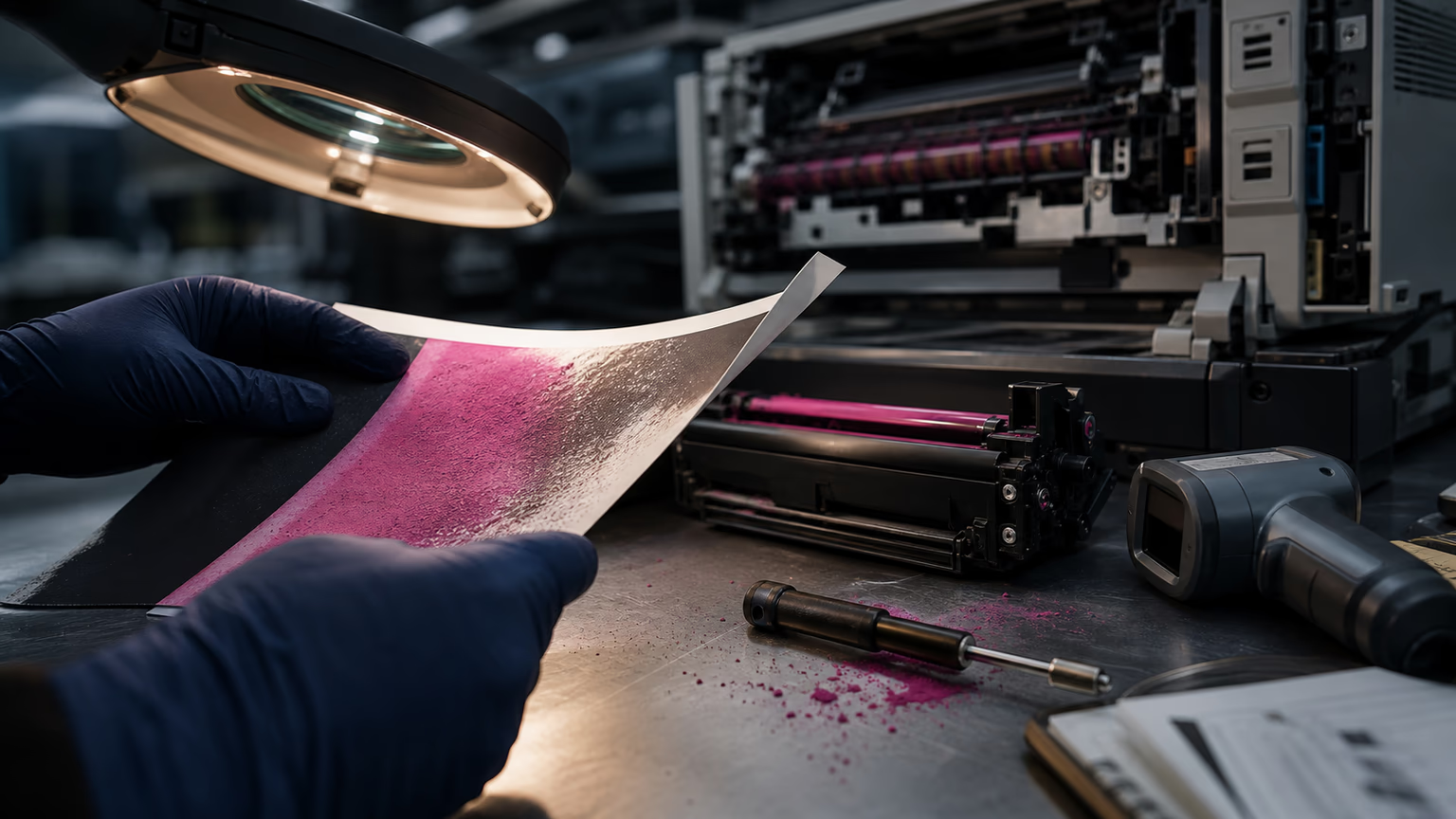
Why Toner Causes Paper Curl: The B2B Procurement Guide to Fuser Heat, Paper Moisture, and Resin Behavior
Paper curl reveals incompatible toner chemistry. This guide explains fuser heat, resin, and moisture, with a checklist for B2B buyers to demand consistent, curl-resistant toner cartridges.
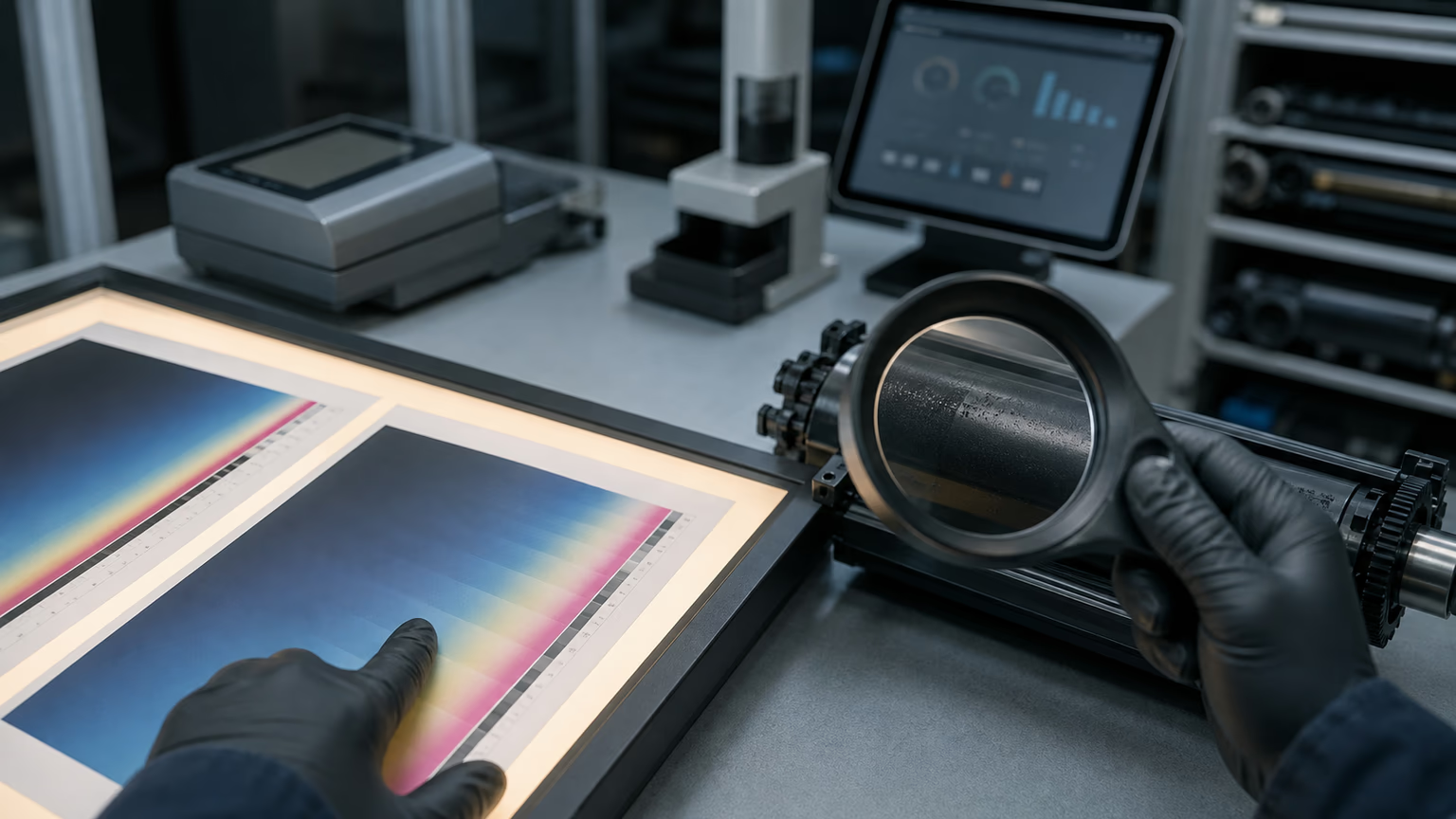
Uneven Color Density Across the Page: The Hidden Profit Drain in Toner Distribution
Uneven color density signals deeper toner flow and developer roller problems that erode distributor margins. This guide equips B2B buyers with diagnostic protocols and supplier evaluation criteria to turn quality control into a.

Color Shift in CMYK Toner Sets: How to Audit and Control Delta E Across Your Supply Chain
Color shifts in toner cartridges cause customer complaints and costly returns. Discover how B2B buyers can audit factory Delta E control, verify batch consistency, and prevent hidden quality failures.