
Toner cartridges have a shelf life of 24 to 36 months, depending on proper storage conditions. While they don’t spoil like food, using expired toner can lead to poor print quality, clumping, and even damage to printers. This may void warranties, resulting in unexpected costs. Proper storage is crucial. Keeping cartridges in a cool, dry place and utilizing FIFO (first-in, first-out) guarantees longevity and efficiency. Want to know more about optimizing toner use and storage practices?
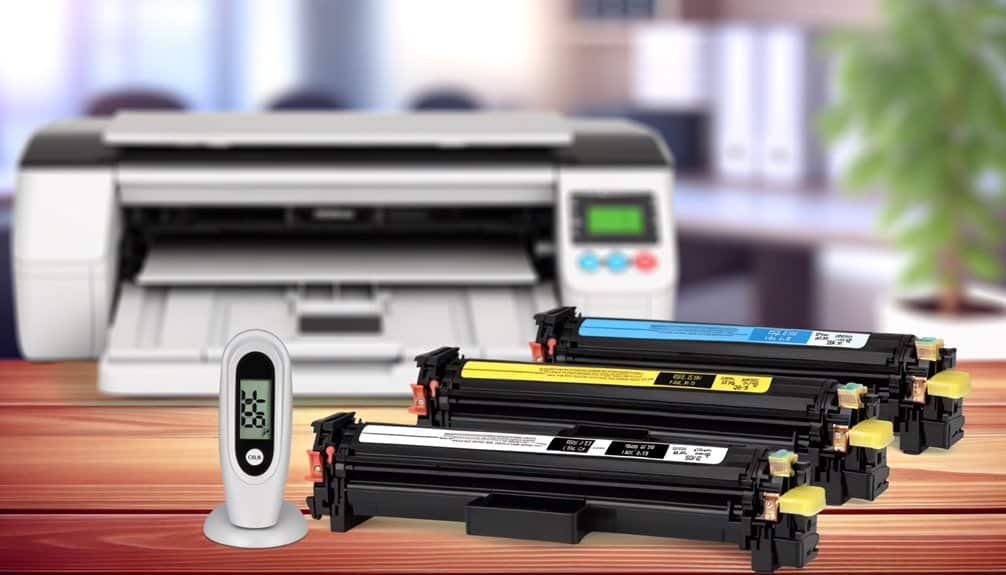
What happens when the clock runs out on toner cartridges? The debate surrounding toner expiration hinges on understanding toner types and their longevity.
Unlike ink cartridges, toner does not dry out, but its efficacy can diminish over time, impacting print quality. Regular printer maintenance is essential, as clumping can occur if toner is improperly stored.
Businesses must weigh the cost comparison of replacing cartridges versus recycling them, emphasizing the importance of efficient inventory management.
Remanufactured and compatible toners can offer cost-effective solutions, yet their performance may vary.
Ultimately, informed decisions regarding toner usage and storage can extend cartridge life while maintaining peak print quality, ensuring that operations run smoothly without unnecessary interruptions.
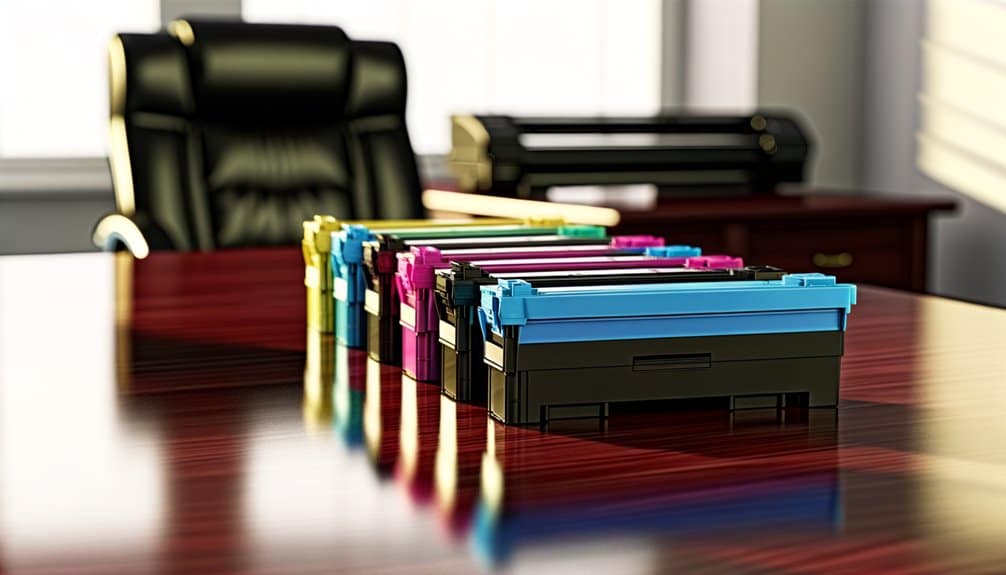
Toner, a dry, plastic-based powder, stands in stark contrast to ink, which is a water-based liquid.
This fundamental difference allows toner to resist drying out, clogging, or evaporating, making it an ideal choice for low-frequency, high-volume, or idle-use scenarios.
As a result, businesses and individuals alike can appreciate the longevity and reliability that toner cartridges offer over their ink counterparts.
In the domain of printing technologies, a clear distinction exists between toner and ink, fundamentally rooted in their compositions. Toner, a dry plastic-based powder, provides superior longevity and efficiency compared to ink, which is water-based and prone to drying out. This fundamental difference in composition not only affects printing efficiency but also impacts cartridge maintenance and storage solutions. Businesses benefit from understanding toner types, leading to informed cost comparisons and enhanced operational efficiency.
| Feature | Toner | Ink |
|---|---|---|
| Composition | Dry plastic-based powder | Water-based liquid |
| Shelf Life | 1–2 years under proper storage | Months, often shorter |
| Maintenance | Minimal, less prone to clogs | Requires more frequent replacements |
| Cost Efficiency | Higher initial cost, longer use | Lower initial cost, frequent buys |
| Printing Output | Higher pages per cartridge | Lower pages per cartridge |
Longevity is a hallmark of toner, distinguishing it from its ink counterpart. Toner, a dry powder, is inherently resistant to drying out, clogging, or evaporating, allowing for superior cartridge maintenance and extended usability.
This characteristic results in consistent print quality, guaranteeing that businesses can rely on their laser printers without the frequent interruptions associated with inkjet printers.
Furthermore, effective storage techniques—such as keeping cartridges sealed in cool, dry environments—enhance toner benefits by preventing moisture-induced clumping.
Ultimately, the cost efficiency of toner cartridges is evident; they produce considerably more pages than ink cartridges, making them a smart choice for businesses aiming to reduce printing costs over time.
Embracing toner technology guarantees reliability and maximizes operational efficiency.
For businesses or individuals that print infrequently but require high-volume capabilities, toner cartridges present a compelling solution.
Toner efficiency allows for significant page yields—often exceeding 6,000 pages—making them cost-effective compared to ink cartridges, which necessitate frequent replacements. This cost comparison highlights not only financial savings but also reduces environmental impact through less waste.
User experiences frequently emphasize the reliability of toner during idle periods, as it does not dry out or clog. To maximize toner longevity, maintenance tips include storing cartridges in cool, dry conditions and utilizing high-capacity options.
Ultimately, toner cartridges are an ideal choice for those balancing low-frequency printing needs with the demand for high-volume output.
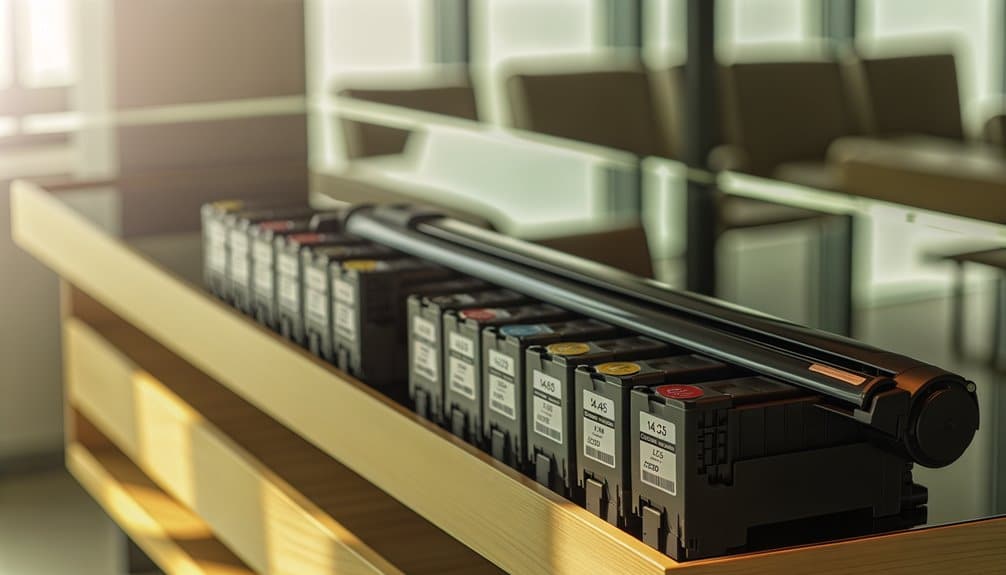
Toner does not spoil like food, but it is important to recognize that the cartridge system can age over time.
Typically, toner has a shelf life of 24 to 36 months when stored properly.
Although expired toner may still be usable, its performance could be compromised.
Understanding these nuances can help users make informed decisions about their printing needs and guarantee ideal results.
A common misconception surrounds the expiration of toner cartridges, leading many to believe that the powder itself can spoil.
In reality, toner types, including OEM and compatible options, do not degrade like food products. However, the cartridge system ages, which can affect cartridge compatibility and printing efficiency.
Components such as seals and chips may deteriorate over time, potentially leading to printing issues even when toner remains usable.
A thoughtful cost analysis reveals that investing in proper storage solutions—keeping cartridges in a cool, dry place—can extend their lifespan considerably.
While toner itself does not spoil, understanding its shelf life is vital for ideal performance. Generally, toner cartridges maintain their efficacy for 246 months under proper storage conditions.
This longevity can vary based on toner types and cartridge compatibility, making it important for businesses to assess their specific needs. Effective printer maintenance, which includes keeping the printer environment dry and cool, greatly extends the functional life of toner.
Although many users assume that expired toner is completely unusable, the reality is more nuanced; it may still function but with diminished performance.
Businesses seeking to optimize printer performance should consider the following:
While expired toner may still produce prints, users should anticipate potential quality issues, reinforcing the importance of proactive toner management for cost-effective printing.
Using expired toner cartridges can lead to significant drawbacks, including poor print quality characterized by faded or streaky outputs.
This degradation not only risks damaging the printer due to potential powder clumps but may also void any existing warranty, compounding the financial loss.
For businesses, the impact on brand reputation due to subpar printing results is an additional concern that cannot be overlooked.
When toner cartridges exceed their recommended shelf life, they can lead to significant issues in print quality, manifesting as faded, streaky, or uneven density in printed documents.
This decline in toner efficiency undermines the quality assurance standards that businesses endeavor to maintain.
The following factors highlight the risks associated with using expired toner:
Expired toner cartridges pose significant risks to printers, primarily due to the potential for powder clumping. When toner degrades, it can clump together, leading to toner compatibility issues that compromise print quality enhancement.
Such clogs can damage the printer’s internal components, necessitating costly repairs. Additionally, businesses may face a toner cost analysis dilemma, as using expired cartridges can lead to inefficient printing and wasted resources.
Bulk purchasing advantages become evident when organizations guarantee they only use fresh cartridges, maximizing both savings and performance. Moreover, opting for cartridge recycling benefits helps reduce waste while supporting environmental sustainability.
Ultimately, understanding these risks empowers users to maintain their printers effectively and achieve ideal printing results.
The risks associated with utilizing toner cartridges that have surpassed their shelf life extend beyond mere print quality concerns; they can also jeopardize the warranty of the printer itself.
Using expired toner may lead to warranty implications, as manufacturers often stipulate that only compatible, non-expired cartridges are permitted for coverage. This can result in:
To guarantee warranty protection, businesses should prioritize toner compatibility and adhere to recommended storage practices for peak printer performance.
Utilizing toner cartridges that have exceeded their shelf life poses significant risks for businesses, particularly concerning brand reputation.
Poor print quality due to expired toner can undermine brand loyalty, as clients may perceive a lack of professionalism. Additionally, maintaining printers with incompatible or degraded toner increases operational costs and hampers cost efficiency.
Businesses committed to sustainability practices may also find themselves at odds, as using expired products leads to unnecessary waste. Proper printer maintenance and adherence to toner compatibility guidelines are essential to avoid these pitfalls.
Ultimately, businesses must prioritize the integrity of their printed materials to uphold their reputation in a competitive market, ensuring that their branding remains consistent and impactful.
To maximize the longevity and performance of toner cartridges, proper storage is essential.
Keeping cartridges in their factory-sealed packaging and storing them flat in a cool, dry, and dark environment—ideally between 15-25°C—will help prevent degradation.
Additionally, labeling purchase dates and using the oldest stock first guarantees ideal usage and minimizes waste.
When toner cartridges are kept factory-sealed and in their original packaging, they stand a much greater chance of maintaining their quality and performance over time.
Proper toner storage is essential for printer maintenance and guarantees ideal toner compatibility and efficiency. Here are three important tips for maximizing toner longevity:
Following these guidelines will guarantee toner remains effective for future printing tasks, maximizing both performance and cost.
Proper storage of toner cartridges is essential for maintaining their performance and longevity. Storing toner flat in a cool, dry, and dark environment, ideally between 15-25°C, mitigates the risks associated with expiration myths and guarantees peak toner quality.
This method of toner storage prevents moisture absorption, which can lead to clumping and reduced print quality. For businesses engaged in bulk purchasing, proper storage safeguards investments and extends the life of cartridges, allowing for efficient cartridge recycling when necessary.
Maintaining the integrity of toner cartridges hinges on protecting them from environmental factors that can compromise their performance.
Implementing effective toner storage techniques is essential for managing inventory effectively and ensuring peak functionality. To achieve this, one must avoid the following:
To guarantee the longevity and ideal performance of toner cartridges, implementing a First In, First Out (FIFO) system is essential. This method encourages businesses to label toner purchase dates clearly, ensuring that the oldest stock is used first.
Proper toner storage in a cool, dry environment enhances toner efficiency and compatibility with printers. By adopting FIFO, organizations can minimize waste and maximize the utility of their toner inventory, as older cartridges are less likely to degrade.
Additionally, this practice aligns with sustainable toner recycling initiatives, allowing for responsible toner purchasing and management. Ultimately, a FIFO system not only preserves toner quality but also contributes to cost-effectiveness in office operations.
Why should businesses consider bulk buying toner cartridges? This strategy offers significant advantages, making it a smart choice for savvy users.
However, businesses should remain vigilant about cartridge compatibility issues and adhere to toner storage tips to prolong shelf life.
This approach not only reinforces cost-saving strategies but also empowers businesses to manage their printing needs efficiently, maximizing both productivity and financial resources.
Identifying signs of expired or degraded toner is essential for maintaining print quality and efficiency.
Common indicators include faded or streaky prints, the presence of powder clumps or dusting, and leakage from the cartridge.
Additionally, if the printer fails to detect the cartridge, it may signal that the toner has deteriorated, necessitating immediate attention.
Faded or streaky prints often signal issues with toner quality, particularly when the toner has expired or degraded over time.
Businesses should be acutely aware of these print quality issues, as they can affect productivity and professionalism.
To address these concerns, consider the following toner maintenance tips:
Understanding these factors, alongside conducting a toner cost analysis, can help mitigate potential printer compatibility concerns and maintain peak print quality.
Powder clumps or dusting can signal that toner has expired or degraded, greatly impacting print quality. Such symptoms often result from inadequate toner storage, where moisture infiltrates the cartridge, leading to clumping.
This not only diminishes toner performance but can also disrupt the printer’s functionality. Regular toner maintenance, including proper storage conditions, is essential for preserving toner compatibility with the printer model.
Businesses should prioritize ideal storage environments, ensuring cartridges remain dry and cool. In addition, considering toner recycling options can mitigate waste, allowing users to replace degraded toner responsibly.
A noticeable sign of expired or degraded toner is leakage from the cartridge, which can lead to significant printing issues.
This leakage not only affects print quality but also poses risks to the printer itself.
To mitigate these problems, users should consider the following:
Troubleshooting printer issues often leads users to the frustrating situation where the printer cannot detect the toner cartridge. This problem may signal expired or degraded toner, impacting print quality and efficiency. Proper toner cartridge maintenance is essential for avoiding such issues. Below is a table highlighting key factors that can help address printer compatibility issues and implement cost-saving strategies.
| Issue | Potential Cause | Solution |
|---|---|---|
| Printer shows cartridge error | Expired toner | Replace with a new cartridge |
| Poor print quality | Degraded toner | Check storage conditions |
| Incompatible cartridge | Wrong model or type | Verify printer specifications |
| Toner not recognized | Dust or obstruction | Clean cartridge contacts |
Exploring sustainable toner options can further enhance operational efficiency while minimizing waste.
Using expired toner may result in quality degradation, impacting printer performance. Adhering to usage guidelines is essential for ideal toner longevity, as operating beyond the expiration date could compromise print results and overall efficiency.
When toner embraces moisture, it becomes a tempest of clumping, threatening print quality and shortening cartridge lifespan. Effective storage solutions are essential to shield against moisture damage, ensuring that vibrant prints endure through time.
Environmental concerns surrounding expired toner disposal include potential hazardous waste and negative environmental impact. Engaging in toner recycling programs enhances printing sustainability, ensuring proper management of cartridge manufacturing materials while reducing landfill contributions and fostering eco-friendly practices.
To determine toner quality, employ visual inspection techniques for clumping, assess color quality on printouts, conduct a smell test for unusual odors, compare cartridge weight, and perform a printing test page to evaluate functionality.
Using expired toner can negatively impact printer performance and toner quality, potentially leading to increased maintenance costs and warranty issues. This deterioration compromises printing efficiency, emphasizing the importance of using fresh cartridges for best results.
In the world of printing, toner cartridges are like fine wine; they improve with age if stored properly, but can quickly spoil if neglected. Understanding their shelf life and proper storage techniques is essential for businesses seeking peak print performance and cost-efficiency. By recognizing the signs of degradation and avoiding expired products, companies can safeguard their printing operations. Embrace proactive management of toner supplies to guarantee that every print is as vibrant and reliable as the first.