
Common myths about toner and ink cartridges can mislead consumers about their performance and compatibility. For instance, compatible cartridges from reputable sources can produce quality results comparable to OEM products. Additionally, proper storage and regular printer maintenance can prevent issues like ink drying. Misconceptions persist regarding ink waste and the environmental impact of remanufactured cartridges, which can actually promote sustainability. Understanding these aspects can enhance the user experience and improve printer longevity; further insights await exploration.
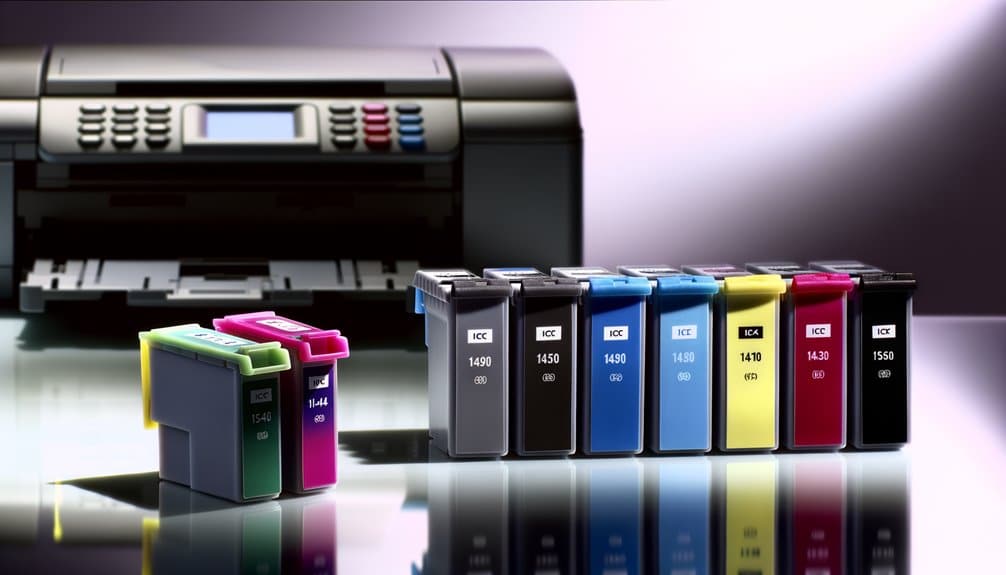
The landscape of toner and ink cartridges is diverse, encompassing original equipment manufacturer (OEM) cartridges and compatible alternatives.
Myths surrounding these products often arise from misunderstandings about performance, quality, and compatibility.
Understanding the distinctions between cartridge types and the origins of these myths is essential for informed purchasing decisions.
Various types of printer cartridges play essential roles in determining print quality, efficiency, and compatibility with different printer models. The primary categories include inkjet cartridges, which utilize liquid ink for vibrant color reproduction, and toner cartridges, which employ powdered substances for sharp text and images.
Proper printer maintenance is critical, as factors such as ink absorption and toner distribution directly impact output quality. Additionally, cartridge storage conditions considerably affect longevity; cartridges should be kept in a cool, dry environment to prevent ink drying or toner clumping.
Understanding these cartridge types and their characteristics enables users to make informed decisions, optimizing their printing experience while ensuring reliability and performance across various applications.
Myths surrounding toner and ink cartridges often stem from a combination of misinformation, marketing strategies, and user experiences. Inadequate understanding of cartridge storage leads to misconceptions about ink drying, as many fail to recognize that proper conditions can markedly extend cartridge life.
Additionally, marketing campaigns often exaggerate the importance of printer calibration and maintenance routines, fostering beliefs that generic alternatives are inherently inferior. Users may also misinterpret the environmental impact of cartridge use, assuming that all products contribute equally to waste.
This blend of misinformation and personal experiences contributes to the persistence of myths, which can hinder informed choices regarding cartridge selection and printer maintenance, ultimately affecting overall print quality and reliability.

The belief that using compatible or remanufactured cartridges voids a printer's warranty is a prevalent misconception. Legally, consumers are protected under the Magnuson-Moss Warranty Act, which prohibits manufacturers from enforcing warranty voids based solely on the use of third-party products.
Additionally, remanufactured cartridges are often produced to meet safety and quality standards, reducing any potential legal concerns associated with their use.
Although many consumers believe that using compatible or remanufactured cartridges will void their printer's warranty, this notion is fundamentally incorrect. The Magnuson-Moss Warranty Act guarantees that consumers cannot be forced to use specific brands for warranty coverage.
Proper printer maintenance, including adherence to guidelines for cartridge refills and toner storage, is vital for maintaining warranty validity. It is essential to utilize cartridges that meet printer compatibility requirements to avoid issues such as ink drying or clogging printheads.
High-quality compatible cartridges are designed to function effectively within specified printer models, mitigating potential risks. Hence, consumers can confidently opt for compatible cartridges without jeopardizing their warranty, ensuring both performance and cost-effectiveness.
Concerns regarding legal issues associated with the use of remanufactured cartridges often stem from misunderstandings about consumer rights and manufacturer policies. In reality, using remanufactured cartridges does not inherently pose legal risks, as many manufacturers support recycling programs that encourage cartridge refurbishment.
These initiatives often utilize eco-friendly materials, which align with broader sustainability initiatives aimed at reducing environmental impact. Legal challenges may arise only in instances of patent infringement or trademark misuse, but such cases are rare and typically do not affect end-users.
Consumers can enjoy the benefits of remanufactured cartridges, including cost savings and reduced waste, without fear of legal repercussions, provided they choose reputable suppliers committed to quality and compliance standards.
The performance and quality of toner and ink cartridges are often misunderstood, leading to several prevalent myths. Assertions that compatible or remanufactured cartridges damage printers, produce inferior print quality, or have lower page yields lack substantial evidence.
Moreover, not all cartridges are created equal; differences in design and manufacturing can considerably impact compatibility and overall performance.
How do compatible, remanufactured, or generic cartridges affect printer performance and reliability? Contrary to popular belief, high-quality compatible cartridges are designed to meet specific ink compatibility and safety standards, considerably reducing the risk of damage to printers.
While poorly manufactured cartridges may lead to issues such as clogs or jams, reputable brands adhere to stringent refilling procedures and quality assurance. Furthermore, advancements in toner composition ensure that these generic options perform reliably across various models.
Cartridge recycling initiatives further mitigate environmental impact without compromising printer functionality. Overall, when sourced from reputable manufacturers, these cartridges maintain performance parity with branded counterparts, providing users with a cost-effective alternative without jeopardizing printer integrity.
Many users assume that compatible or remanufactured cartridges inherently produce inferior print quality compared to their OEM counterparts. However, extensive testing has indicated that high-quality generics can match OEM cartridges in print sharpness and overall performance.
Factors such as ink durability and cartridge compatibility considerably influence output quality. While some low-grade cartridges may exhibit issues like ink drying or inconsistent print results, reputable brands ensure reliability and longevity.
It is crucial to consider the cartridge lifespan, as well-maintained printers utilizing compatible cartridges have demonstrated comparable performance to OEM options. Informed users recognize that choosing quality compatible cartridges can achieve exceptional print results without compromising their printing needs.
Assumptions regarding compatible cartridges often suggest that they possess lower page yield compared to original equipment manufacturer (OEM) products. However, many compatible cartridges, such as those from reputable brands, can match or even exceed the page yield of OEM options. For instance, while OEM cartridges may print around 1,500 pages, some compatible cartridges can yield up to 2,000 pages, depending on ink quality and cartridge lifespan. Proper maintenance routines further enhance performance, ensuring ideal print clarity throughout their usage.
| Cartridge Type | Page Yield / Quality |
|---|---|
| OEM Cartridge | 1,500 pages |
| Compatible Cartridge | 2,000 pages |
| OEM Ink Quality | High |
| Compatible Ink Quality | Comparable |
The notion that all compatible or remanufactured cartridges are identical in performance and quality is a misconception that can lead to subpar printing experiences. Variability exists in printer compatibility, with some cartridges designed to meet stringent specifications while others do not.
Inferior options can result in issues such as ink drying or printhead clogging, which diminishes toner reliability. Additionally, cartridge warranties often vary, impacting user confidence in third-party products.
High-quality remanufactured cartridges typically incorporate advanced engineering to guarantee top-notch performance. Consequently, selecting the right cartridge is vital; not all compatible alternatives deliver the same results, and informed choices can markedly enhance printing outcomes while safeguarding printer longevity.
A common misconception persists that all cartridges, whether original equipment manufacturer (OEM) or compatible, exhibit uniform performance and quality. In reality, significant differences exist in cartridge lifespan, ink formulation, and design specifics.
OEM cartridges are engineered to guarantee optimal printhead maintenance and prevent ink drying, whereas some lower-quality compatible options may compromise these features. Moreover, storage conditions play a crucial role in maintaining cartridge integrity; improper storage can lead to premature degradation.
While cost may entice consumers, it is essential to weigh cost versus quality. Selecting the appropriate cartridge type is vital for achieving consistent print results and extending printer life, reinforcing the notion that not all cartridges are created equal.
Claims suggesting that printer manufacturers intentionally waste ink often stem from misunderstandings regarding ink consumption and cartridge design. In reality, the presence of printer microchips is essential for managing ink levels and ensuring ideal performance. These microchips prevent ink seepage and excessive toner spillage, which can occur with inferior cartridges.
Additionally, proper cartridge compatibility is key; using incompatible cartridges may lead to printhead clogging and subsequent ink wastage. Manufacturers implement design features to minimize waste, such as ink reserve systems, which are often misconstrued as intentional waste.
Therefore, the perception of intentional ink wastage is largely a result of misinterpretation rather than an actual design flaw or malfeasance by manufacturers.
The subtopic of Usage & Maintenance Myths addresses common misconceptions regarding the care and longevity of toner and ink cartridges. It encompasses beliefs about cartridge degradation, the impact of shaking toner cartridges, the effectiveness of draft mode for ink savings, the urgency of replacing cartridges after low-ink warnings, and the value of refilling cartridges.
Understanding these myths is essential for optimizing printer performance and ensuring cost-effective usage.
Cartridges do not inherently dry out or degrade quickly when proper usage and maintenance practices are followed. Effective storage conditions and sealing techniques can markedly mitigate issues like cartridge drying and ink evaporation. Regular printing helps maintain ink flow, reducing the risk of printhead clogging.
| Factor | Impact on Cartridges | Recommended Practice |
|---|---|---|
| Storage Conditions | Prevents ink evaporation | Keep in a cool, dry place |
| Sealing Techniques | Minimizes drying | Seal cartridges when idle |
| Regular Usage | Reduces clogging | Print regularly |
| Maintenance | Extends lifespan | Follow manufacturer guidelines |
Proper usage and maintenance practices can substantially prolong the lifespan of toner cartridges, yet a common myth persists that shaking a toner cartridge can enhance its longevity. This misconception arises from the belief that shaking redistributes toner, thereby prolonging use.
However, this action does not contribute to actual toner cartridge storage or ink drying prevention. Instead, it may lead to premature toner depletion without addressing underlying issues such as ink absorption rates.
Effective cartridge cleaning tips and routine printer calibration are more effective for maintaining print quality. Users should focus on proper storage conditions and timely replacement to ensure ideal performance, as reliance on shaking can result in diminished printing efficacy and potential damage to the printer.
How often do users consider the implications of utilizing draft mode for their printing needs? While draft mode can reduce ink and toner consumption, it does not always guarantee significant savings, especially for high-quality documents. Users should balance print quality with resource management, as frequent use of draft mode may lead to increased printhead cleaning and potential issues with ink drying.
| Aspect | Impact on Usage |
|---|---|
| Printer Maintenance | Increased cleaning needs |
| Ink Drying | Possible faster drying |
| Cartridge Storage | Shorter lifespan |
| Printhead Cleaning | More frequent required |
| Toner Recycling | Potential inefficiency |
Understanding these factors is essential for effective printer management and achieving best results.
While many users may believe that cartridges must be replaced immediately after receiving a low-ink warning, this assumption overlooks the flexibility of modern printing technology. Ink absorption mechanisms within cartridges often allow continued printing even beyond the warning threshold, as residual ink can still provide satisfactory print durability.
Proper cartridge storage can also extend usability, mitigating premature replacement. However, users should be mindful of the environmental impact associated with excessive cartridge disposal. Engaging in cartridge recycling can alleviate some of this concern by promoting sustainability.
Hence, while a low-ink warning is an important alert, it should not be interpreted as an immediate mandate for replacement, allowing for prudent management of ink resources and printer maintenance.
The belief that refilling cartridges is always the best option for printers is a common misconception that can lead to suboptimal performance and potential issues. While refilling may offer cost effectiveness, it often compromises cartridge longevity. Refilling can lead to ink drying if not executed properly, resulting in clogged printheads. Additionally, inconsistent maintenance routines can exacerbate these problems.
| Aspect | Advantages | Disadvantages |
|---|---|---|
| Cost Effectiveness | Lower initial costs | Potential for poor quality |
| Cartridge Longevity | More prints per refill | Risk of clogging if mismanaged |
| Refilling Benefits | Environmental sustainability | Limited warranty coverage |
Ultimately, the decision to refill should be weighed against potential drawbacks, as it may not always yield the best printing results.
Misconceptions about the compatibility of generic cartridges with various printer models frequently lead to unnecessary expenses and frustration for users. While some printers may experience compatibility issues due to outdated microchips or improper installation, many high-quality generic ink cartridges and laser toner options are designed to work seamlessly with a range of printers.
Users must verify that their selected cartridges are compatible with their specific models, as incorrect installation can hinder performance and print quality. Regular printer maintenance, including cleaning printheads, can further alleviate issues associated with generic cartridges.
Ultimately, the belief that generic cartridges won’t work in every printer often stems from misinformation, rather than an inherent flaw in the cartridges themselves.
The subtopic of Shopping & Value Myths addresses several misconceptions that can mislead consumers when purchasing toner and ink cartridges. Common beliefs include the notion that lower prices equate to inferior quality and that all retailers can be trusted equally.
Additionally, assumptions about guaranteed page yields and the necessity of return policies may impact purchasing decisions, underscoring the importance of informed choices based on reliable information.
Many consumers assume that lower-priced toner cartridges equate to inferior quality, but this notion oversimplifies the complexities of the market. Price disparities often reflect brand reputation and manufacturing processes rather than inherent quality.
Many affordable compatible cartridges provide performance comparable to their branded counterparts, ensuring ideal ink cartridge lifespan and effective ink drying technology. However, caution is warranted with extremely low-cost options, as they may indicate subpar quality.
Utilizing proper cartridge storage tips can further enhance longevity and performance. Additionally, toner cartridge recycling programs can mitigate environmental impacts while offering cost-effective solutions.
Evaluating user reviews and certifications can serve as reliable indicators of quality, dispelling the myth that cheaper automatically means poorer quality.
Not all retailers in the toner and ink cartridge market maintain the same standards of quality and reliability. Reputable vendors guarantee that their products meet stringent specifications for printer compatibility, consequently minimizing issues related to microchip failures and installation errors.
Conversely, low-quality retailers may sell incompatible cartridges that can lead to printhead clogging and ink seepage, ultimately compromising cartridge durability. Additionally, the lack of quality assurance can result in subpar performance and increased maintenance costs for users.
Consumers must conduct due diligence by researching retailers, reading reviews, and confirming the reliability of products to avoid potential pitfalls associated with inferior cartridges. A discerning approach to purchasing guarantees ideal printer performance and longevity.
High page yield is often perceived as a guaranteed feature across all toner and ink cartridges, leading consumers to assume that higher yield translates directly to better value. However, this is a misconception; actual ink cartridge lifespan can vary considerably due to factors such as storage conditions and printhead maintenance.
For instance, improper storage can shorten a cartridge's functional life, while neglecting printhead upkeep may lead to color accuracy issues and decreased print quality. Additionally, not all high-yield cartridges are created equal—some may not deliver the expected performance.
Furthermore, toner cartridge recycling programs can affect yield claims, emphasizing the importance of thorough research before purchase to ensure that anticipated yields align with actual performance.
Return policies play a vital role in the purchasing process of toner and ink cartridges, yet some consumers mistakenly believe they are unnecessary. These policies safeguard customer satisfaction and can mitigate legal concerns surrounding warranty exceptions.
When a cartridge fails to perform as advertised, return policies facilitate efficient refund processes, ensuring customers are not left with unusable products. Furthermore, a robust return policy can indicate a manufacturer's confidence in their product's reliability, enhancing consumer trust.
Without such policies, customers may face financial losses and diminished confidence in their purchasing decisions, ultimately affecting overall market health. Therefore, return policies are essential for maintaining quality assurance and fostering positive consumer experiences in the toner and ink cartridge market.
Consumer perceptions of product reliability can be considerably influenced by online reviews, yet they are not always a dependable source of information. Many reviews may overlook critical factors affecting printer performance, such as the importance of proper printer maintenance and cartridge storage conditions.
For instance, reviews might not address how ink drying can be exacerbated by inadequate storage, leading to reduced ink longevity. Additionally, a lack of emphasis on regular printhead cleaning can result in misleading assessments of cartridge quality.
Users must critically evaluate reviews, considering individual experiences alongside product specifications and expert insights, to ensure informed decisions regarding toner and ink cartridges that promote ideal printer functionality and longevity.
The perception that ink and toner prices are excessively high often overlooks the complex factors contributing to their cost. Several key elements drive these prices:
These factors collectively justify the pricing structure, reflecting the intricate processes behind ink and toner production rather than arbitrary inflation.
Understanding this complexity is essential for informed purchasing decisions.
How do generic paper options compare to OEM paper regarding performance and quality? While generic paper may offer cost savings, it often falls short in critical areas such as paper weight, which affects durability and handling.
Higher-quality OEM paper is engineered to optimize print resolution and prevent issues like ink drying and seepage. Additionally, generic papers may not be compatible with all ink types, leading to potential print quality degradation.
Proper cartridge storage also plays a role; OEM paper's specifications align with manufacturer recommendations for best results.
Ultimately, while generic options can serve basic needs, they may compromise the quality and reliability expected from professional print environments, making OEM paper the preferred choice for demanding applications.
The perception that remanufactured cartridges are synonymous with compatible cartridges is a common misconception, as each has distinct production processes and environmental impacts.
Additionally, the belief that remanufactured cartridges are not environmentally friendly overlooks their role in reducing waste and conserving resources by repurposing existing materials.
Understanding these nuances is essential for informed decisions regarding printer consumables and their environmental implications.
Remanufactured and compatible cartridges often face misconceptions regarding their similarities, particularly in environmental impact. Understanding their distinctions is essential for informed decisions.
Moreover, the packaging materials used in remanufactured cartridges often emphasize sustainability, contrasting with some compatible alternatives. These nuances highlight that remanufactured and compatible cartridges are not synonymous, particularly regarding their environmental implications.
Concerns regarding the environmental impact of remanufactured cartridges often stem from misconceptions about their sustainability. In reality, the ink cartridge recycling process substantially mitigates electronic waste by reusing components that would otherwise contribute to landfill overflow.
The cartridge manufacturing process for remanufactured products emphasizes resource conservation, reducing the need for virgin materials and energy consumption associated with new cartridge production. Moreover, many remanufactured cartridges utilize eco-friendly packaging, further minimizing their environmental footprint.
The environmental impact of using remanufactured cartridges is often considerably lower than that of disposable cartridges, supporting effective electronic waste management strategies. Therefore, the promotion of remanufactured cartridges aligns with broader environmental sustainability goals, challenging the myth that they are inherently detrimental to ecological health.
To identify high-quality generic toner cartridges, assess compatibility issues, evaluate cost comparisons, analyze print quality, and confirm warranty concerns. Reliable options often match branded performance while offering significant savings without compromising quality or printer integrity.
Generic cartridges lack formal expiration dates; however, ink quality diminishes over time. Ensuring proper storage and cartridge compatibility, along with adhering to refill procedures, mitigates risks associated with counterfeit issues, extending usable life considerably.
Mixing different brands of toner cartridges may lead to color matching issues and potential cartridge warranties being voided. Adhering to installation procedures and proper storage tips guarantees ideal performance and minimizes risks associated with brand compatibility.
In the event of a cartridge leak, users should implement leak prevention techniques, carefully handle the cartridge, follow cleaning tips, explore ideal storage solutions, and execute troubleshooting steps to mitigate further issues and maintain printer functionality.
Like a phoenix rising from ashes, recycling programs for used toner cartridges promote cartridge sustainability while safeguarding environmental impact. Adhering to disposal guidelines ensures responsible management, countering ink cartridge myths and fostering eco-friendly practices.
In conclusion, dispelling myths surrounding toner and ink cartridges is essential for informed consumer decision-making. By understanding the realities of legal implications, performance capabilities, maintenance requirements, and environmental impacts, users can optimize their printing experiences while making cost-effective choices. The evolution of compatible cartridges signifies a shift in reliability and quality, challenging outdated beliefs. Ultimately, consumers equipped with accurate information can navigate the printing landscape with confidence, ensuring both efficiency and sustainability in their printing practices.